By Dean McDonald, founder, Crane Rope Solutions
Sheaves are by far the number one cause of the rope problems we see in the field, regardless of crane type or region. Offshore pedestal cranes and onshore mobile cranes alike: this problem doesn't discriminate. I could rename the company "It's the Sheaves" and probably solve 85% of the rope calls I get.
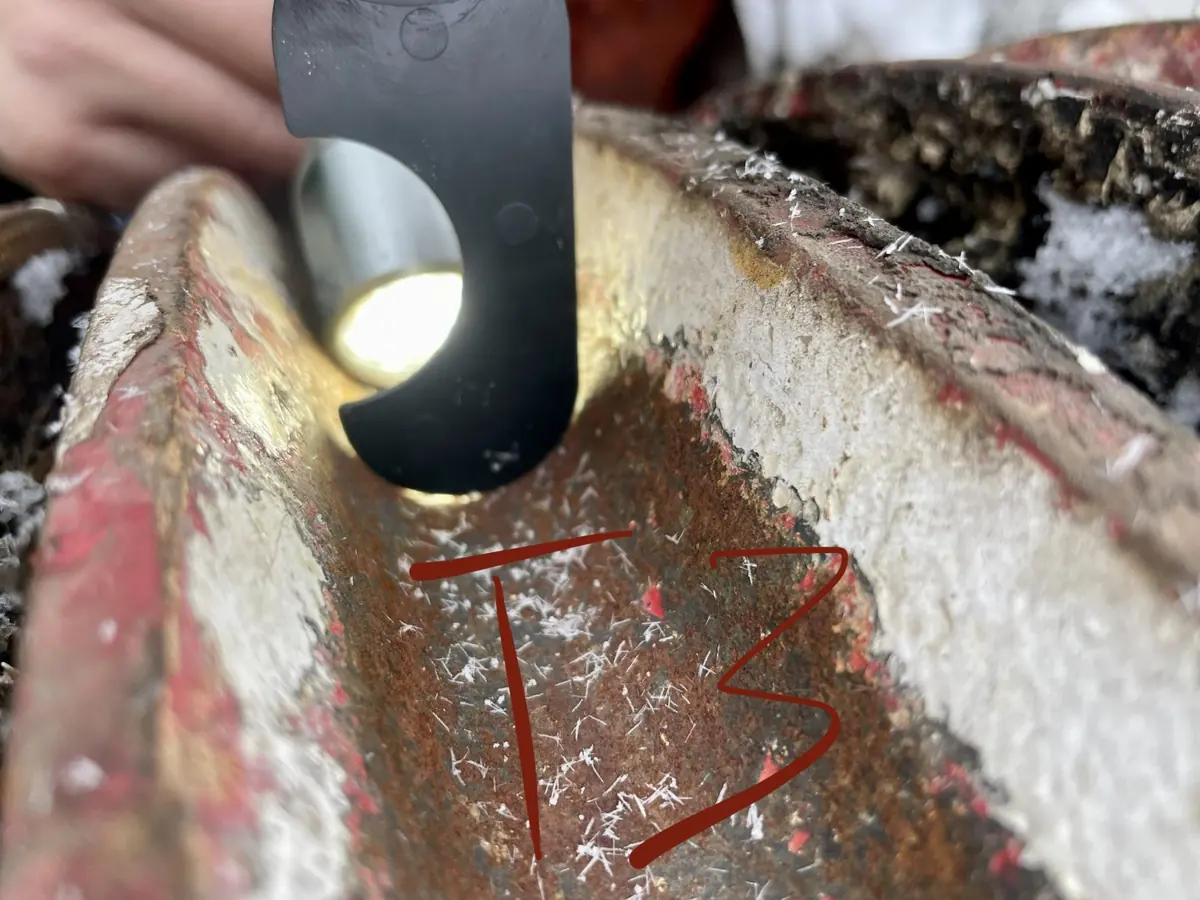
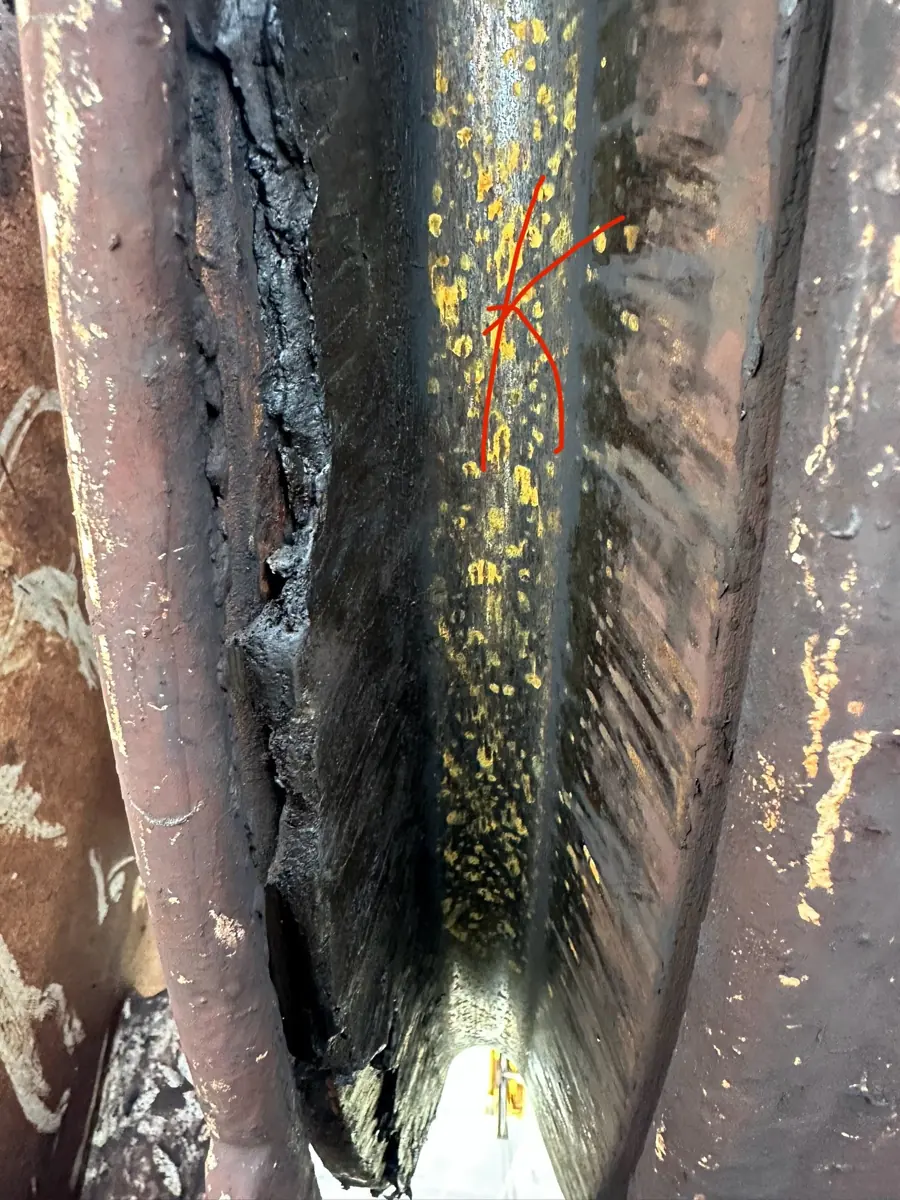
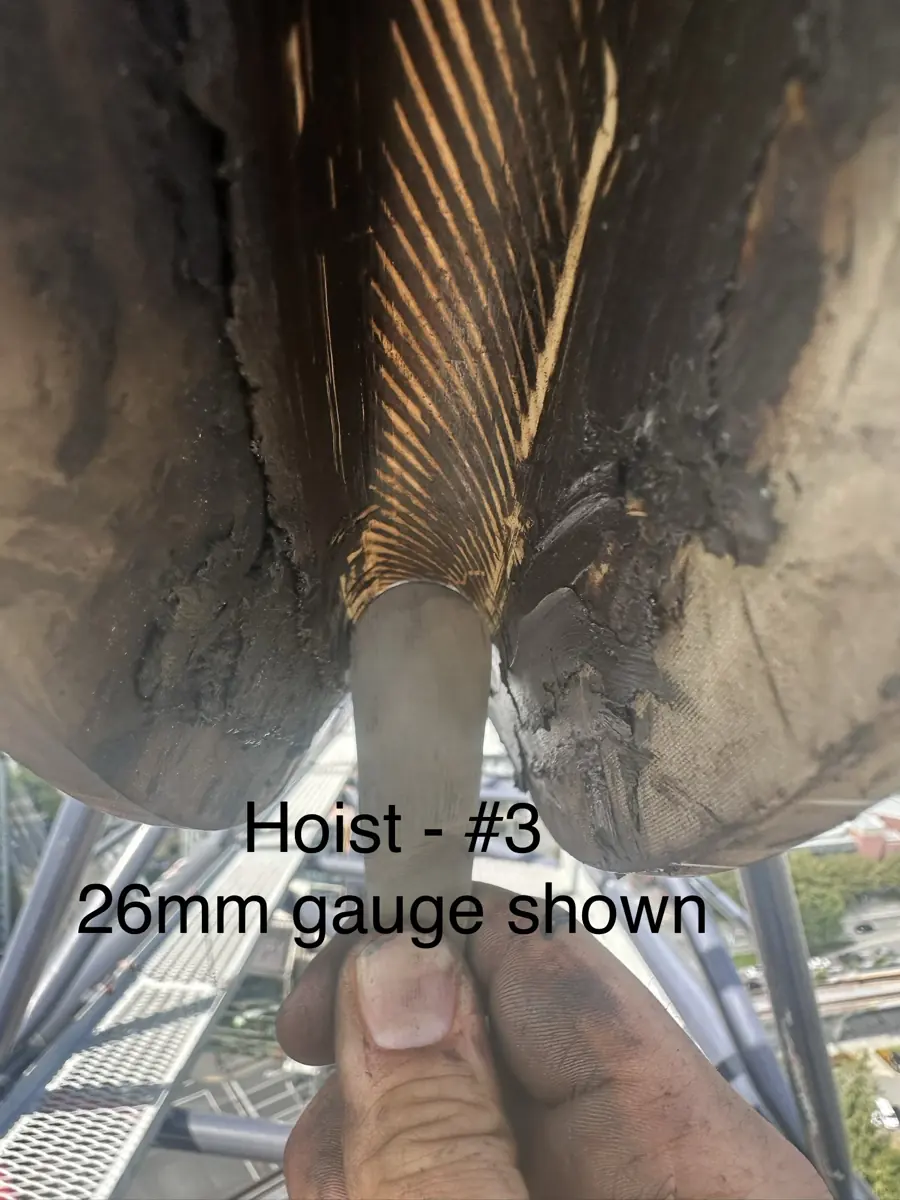
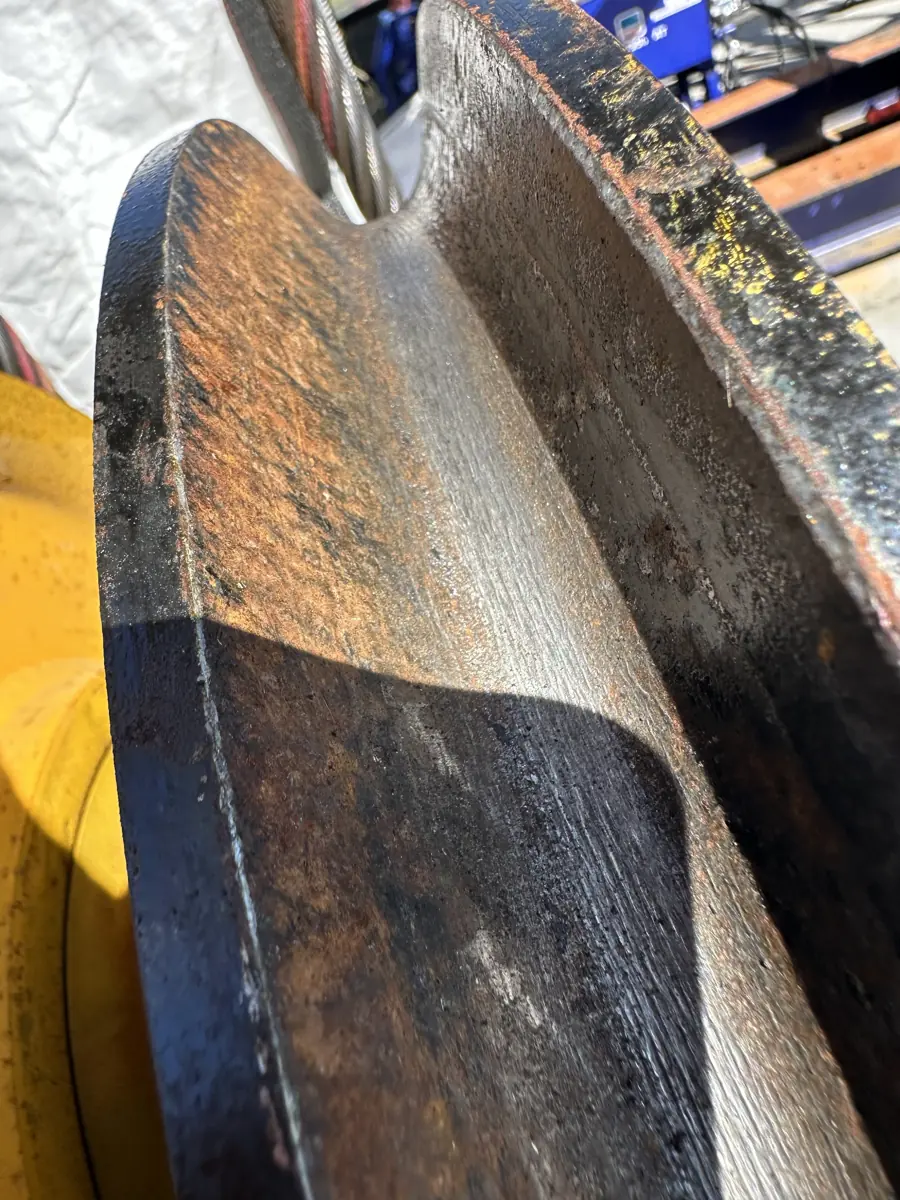
Worn grooves
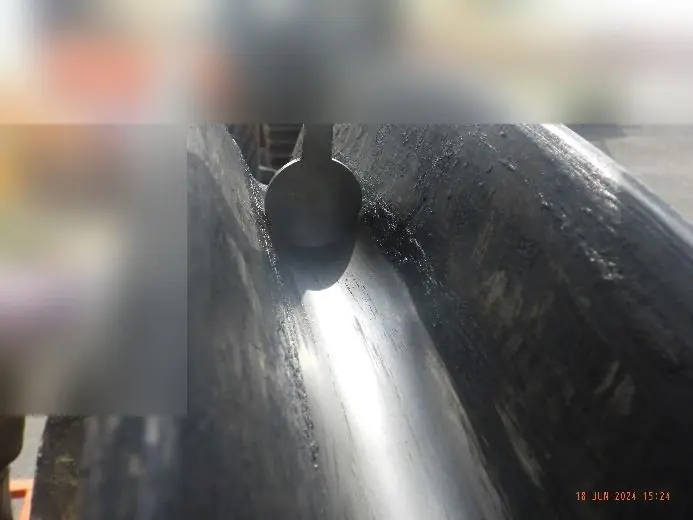
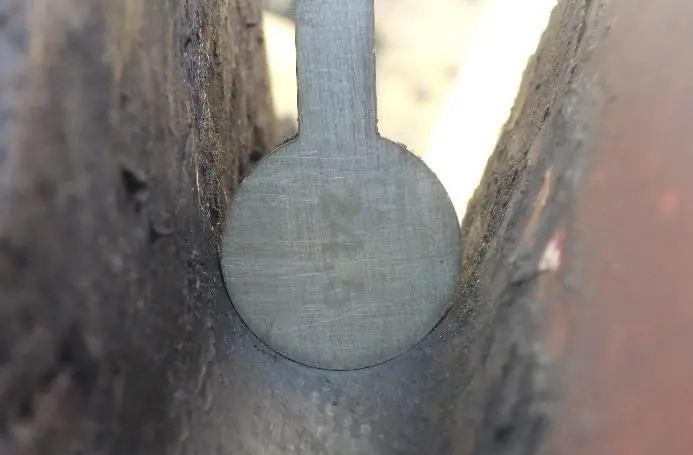
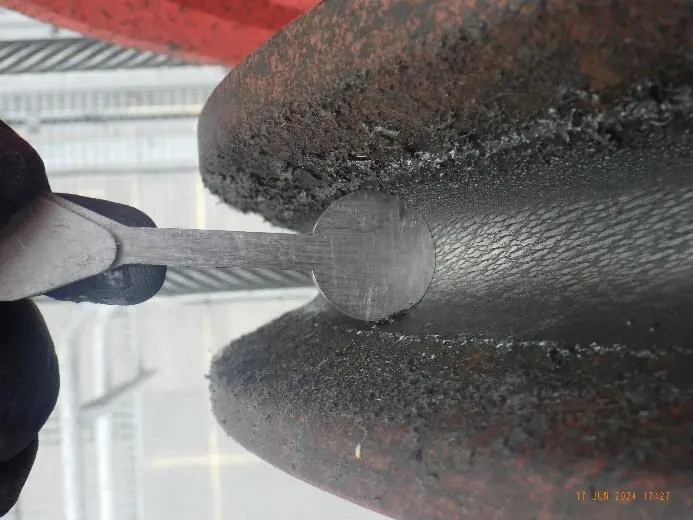
A rope and its sheaves work together. When there isn't enough clearance between the groove and the rope's actual diameter, the rope is twisted as it passes through. That can cause cabling of the block and distort the rope structure, for example birdcaging or high stranding.
Sheaves fall through the cracks
Many NDT companies in North America don't include sheaves in their structural inspection, because sheaves are classed as mechanical components. Most fleets that do their own mechanical work don't know this, so sheave inspection gets missed entirely. Worse, most fleets either don't own sheave gauges, or own them and don't know how to use them.
Pass/fail isn't enough
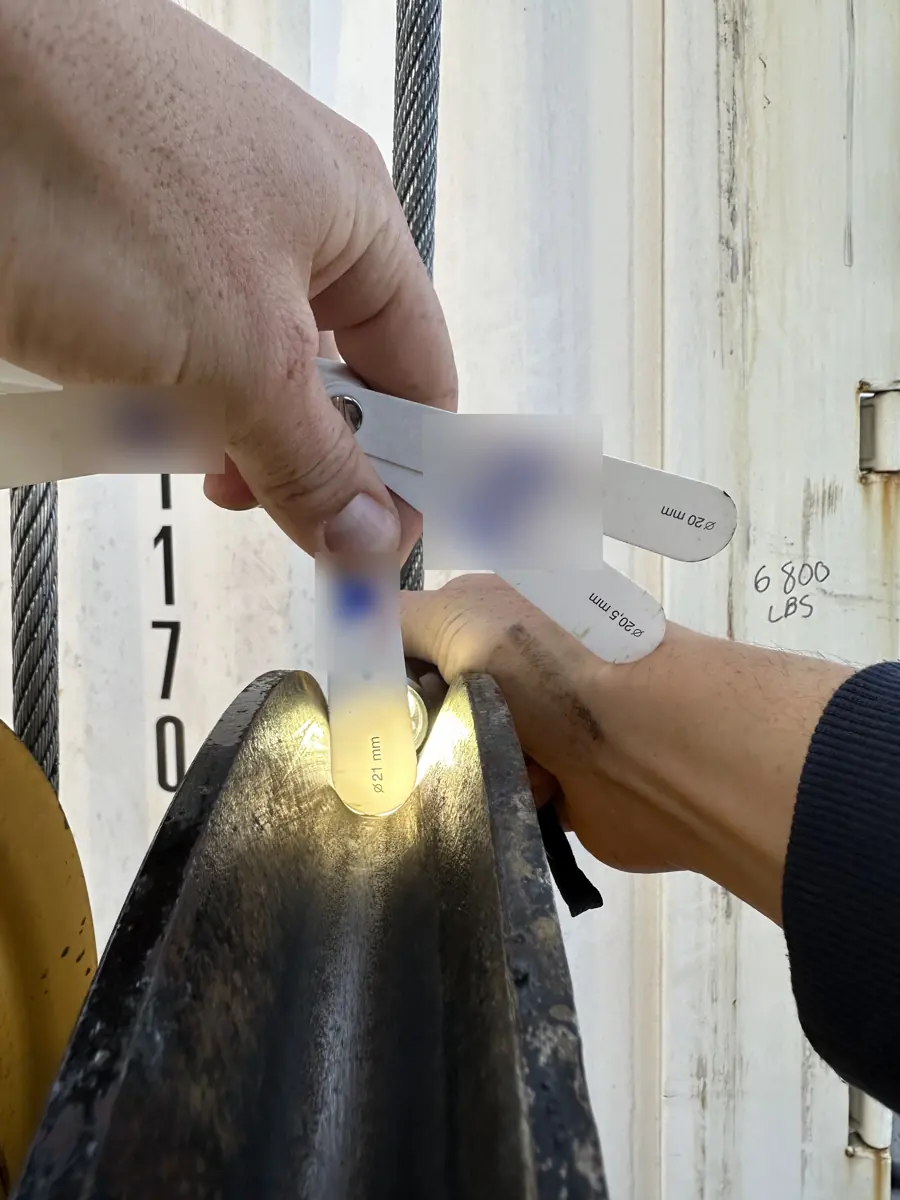
Most operators have seen the usual sheave gauge: a teardrop-shaped plastic or steel go/no-go gauge that fails the sheave if light shows underneath it. My problem with it is that rope life isn't measured as pass/fail. We measure severity as a percentage (50% severity, 100% = discard), so we can see how much life is left and decide whether the rope will make it through the next job or should be changed to avoid downtime.
A go/no-go gauge forces a pass or a fail. A sheave can pass for five months and fail in month six, and the crane is shut down while someone scrambles for a spare, instead of planning the change months ahead, sourcing parts and doing the work while the crane is in the yard.
Our sheave gauges
That's why Crane Rope Solutions sells sheave gauges in 0.25 mm increments, so you can measure the actual groove size and see how much life is left. Once you know your groove size and your rope's actual diameter, you can be sure there's enough clearance that a tight groove won't damage your rope. See gauge sizes and crane sets.
From our inspections
Case study: Sheaves that don't fit the rope
Related: Synthetic sheaves and rotation-resistant rope · Wire rope discard calculator