By Dean McDonald, founder, Crane Rope Solutions
On container cranes (ship-to-shore or quay cranes) the conversation is always about hoist ropes. ZPMC usually delivers its cranes with a 6x36 rope made in Asia, and on cost per move that rope is simply unmatched, regardless of construction or where it's made. The other factor is kill rate: the share of ropes removed from service because they were crushed against a container. It's usually around 33%, so it's hard to justify spending even a penny more on a better rope.
A dangerous pattern
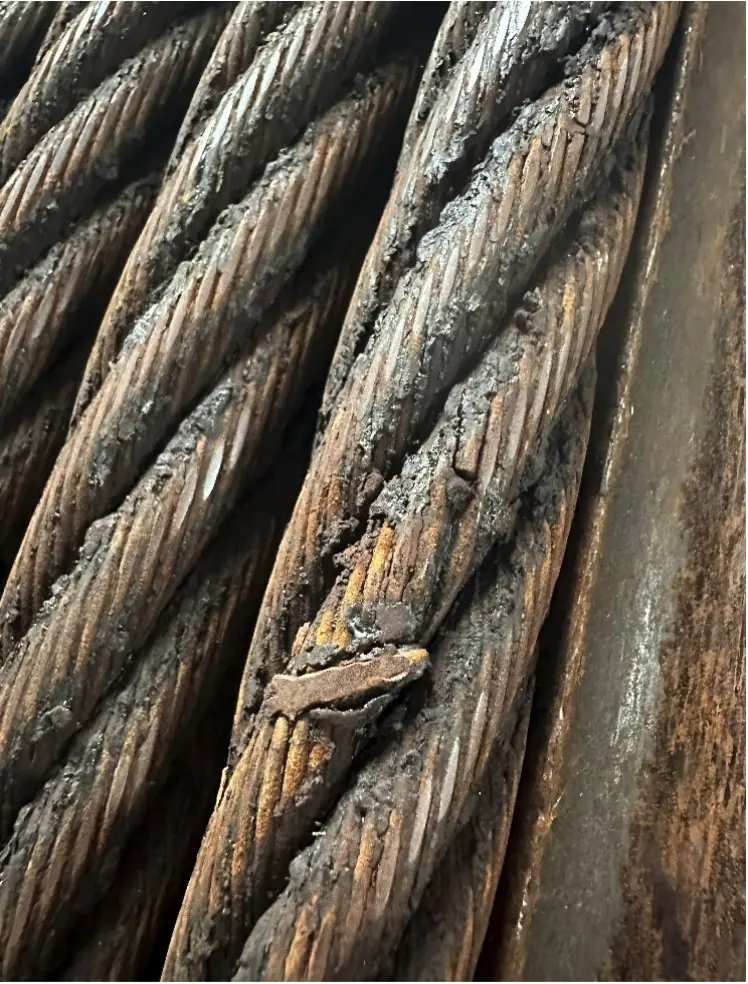
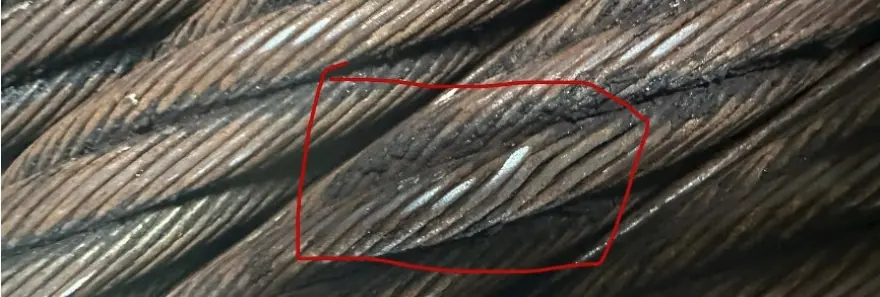
Of all the ports I've visited over the years, I've found a dangerous pattern that doesn't depend on location. East coast to west coast, Canada or the USA, almost every port I've spoken with that uses these ropes is only checking for wire breaks, and they very rarely find any.
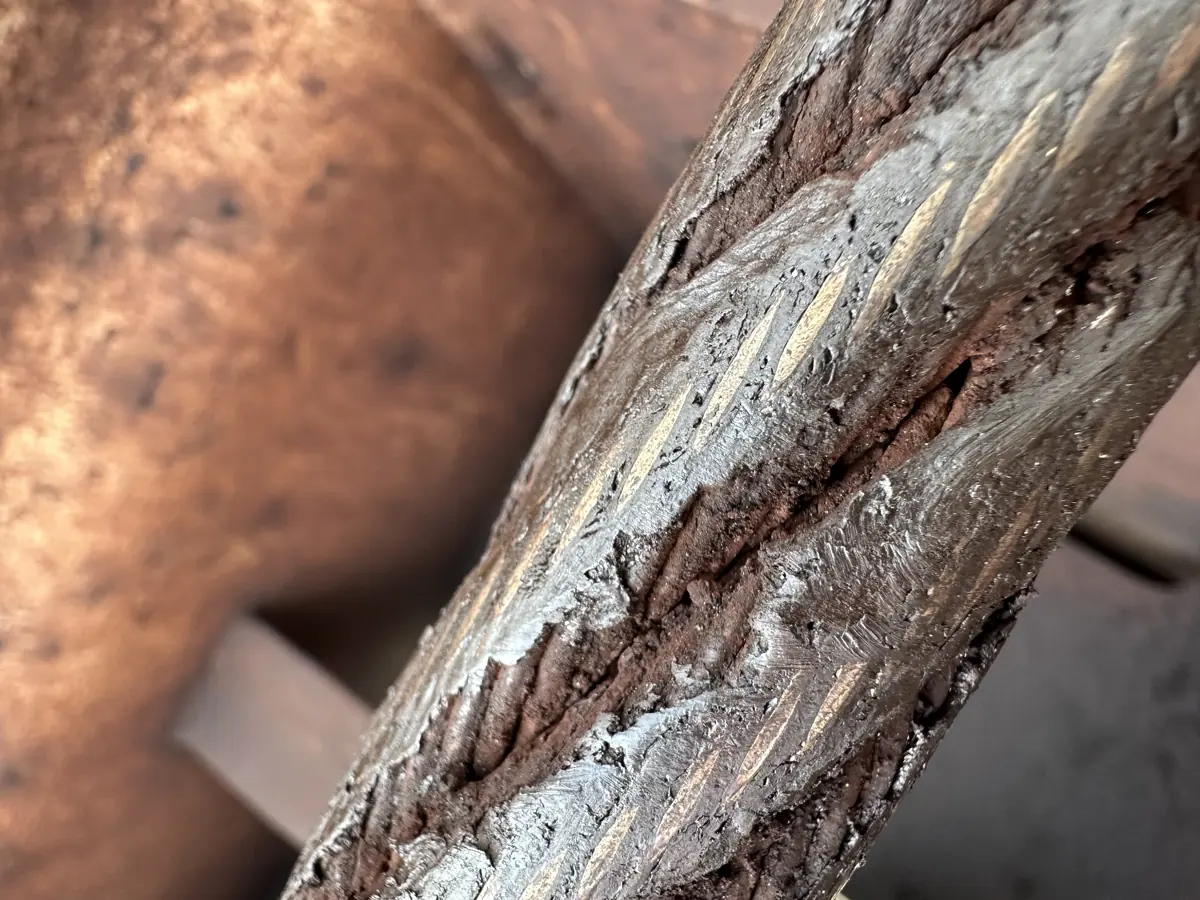
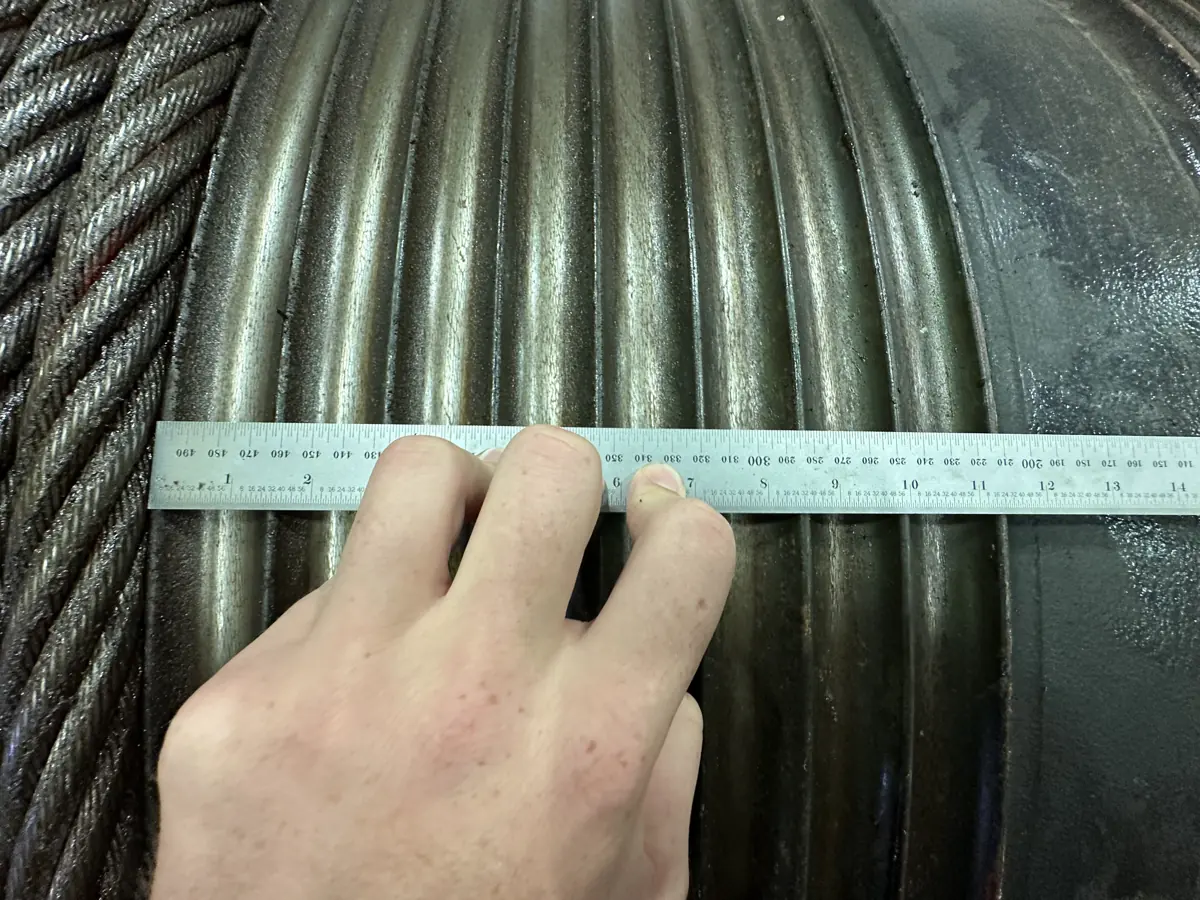
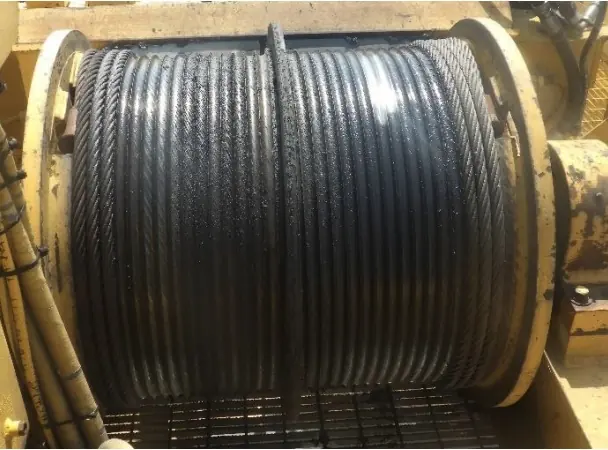
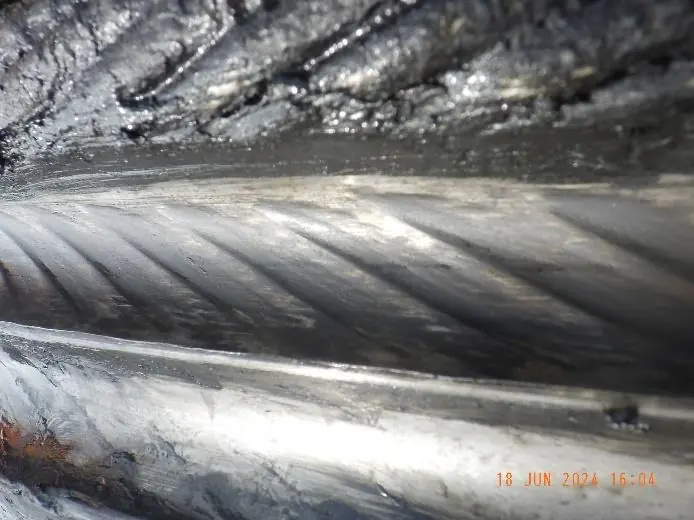
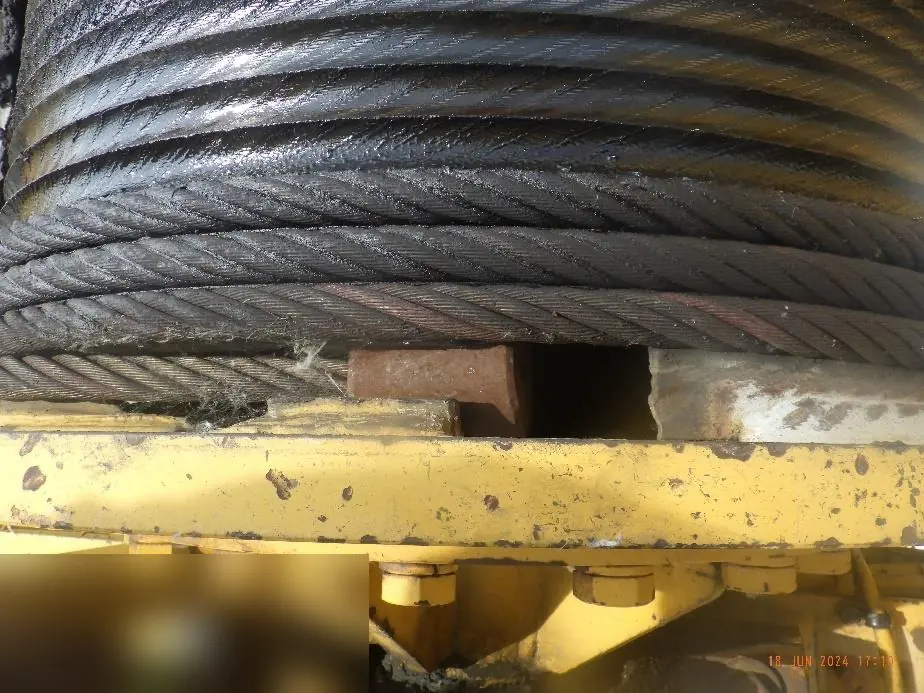
The catch: these are six-strand uncompacted ropes on single-layer drums, running through a maze of sheaves from the drum, down the gantry to the spreader, back up to the trolley and back to the drum. The rope is rightly chosen for bending fatigue and made as flexible as possible, and as always with rope, that's a trade-off. By design, and because of how they're reeved, these ropes stretch and lose diameter. They don't break wires unless the diameter has already dropped dramatically, or they're poorly maintained and rusting.
Stretch and a reduction in diameter can mean the core is failing, and once the core fails, the chance of a sudden, catastrophic failure rises sharply.
To prevent this, measure rope diameter, and check for broken wires and every other discard criterion set out by your local governing standard and the crane OEM. The discard calculator combines the reduction in diameter with broken wires at the same spot: added together under ISO 4309 and CSA, worst single finding under ASME and API.
Rope life and berth availability
Beyond safety, there is a big benefit to optimizing rope selection. Rope changeouts can be one of the biggest reasons for planned outages on an STS crane, which cuts port productivity and berth availability. If berth availability is the biggest bottleneck to your port's revenue growth, choosing a rope that lasts longer, regardless of cost per container moved, can be a seven-figure change in revenue.
Email us and we'll show you a live demo using metrics from your own port.
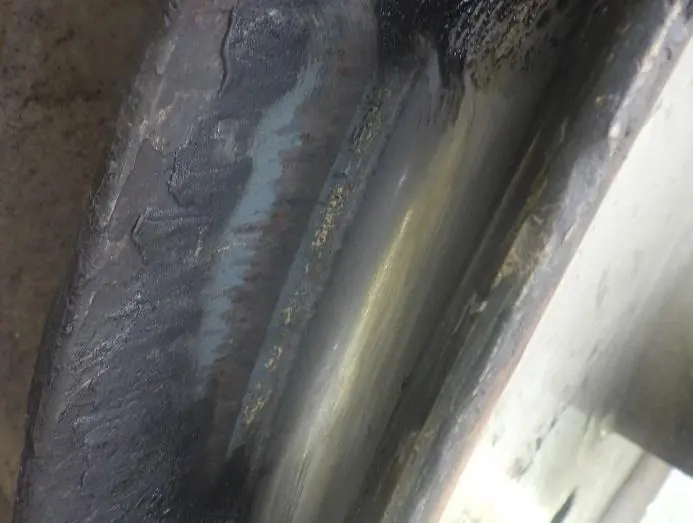
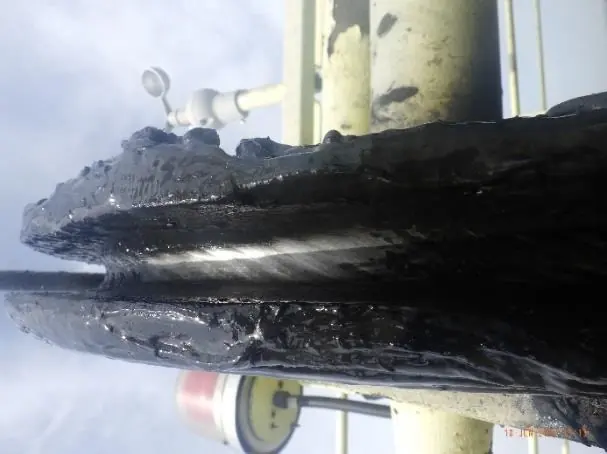
From our inspections